

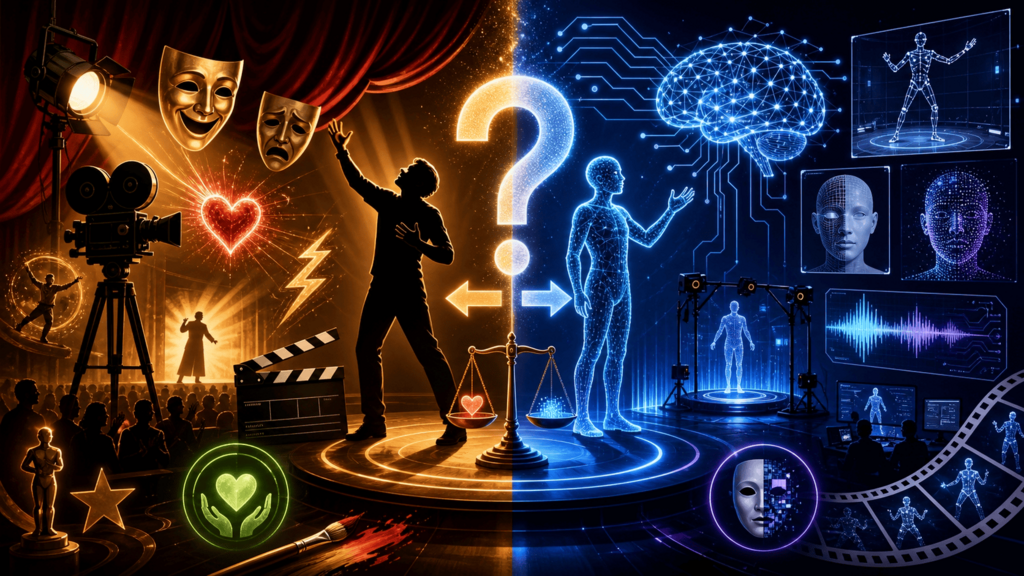
No, AI will not fully replace human actors any time soon. The question itself is outdated. What is happening is more gradual and more disruptive: AI is taking over specific tasks and role types (background, ads, dubbing, de-aging, synthetic-character work) while leaving the core of star-driven acting intact. Fully AI-generated performers like Tilly Norwood now exist (created by Eline Van der Velden’s studio Particle6/Xicoia, sparked Hollywood backlash in 2025). Digital doubles of real performers are routine in big films. Voice actors face the most immediate threat from voice cloning. The real fight, led by SAG-AFTRA, is over consent and compensation for AI use of a performer’s likeness and voice, not a sudden robot takeover. The opponent this post argues against is “AI will replace all actors” as a binary question.
The layer that matters
Think of it in layers. The most exposed layer is faceless or low-profile work: background extras, commercial spokespeople, dubbing, and stock-style performances, where AI-generated or synthetic performers can already do a passable job cheaply. The least exposed layer is leading roles built on a specific human’s fame, range, and audience bond, where audiences still want a real person. Most working actors live somewhere in between, which is why the threat is real even if “AI replaces all actors” is not.
What AI actors actually are
AI actors are digital performers generated or heavily augmented by AI rather than filmed traditionally. Three forms:
- Fully synthetic AI actors. Characters created entirely by AI: AI-generated face, voice, and performance. The headline example is Tilly Norwood, a 100% AI-generated “actress” created by Eline Van der Velden of studio Particle6 and its talent arm Xicoia. Norwood debuted in a short film and, after a 2025 festival presentation, reportedly drew interest from talent agencies, igniting fierce backlash.
- Digital doubles. AI-and-VFX recreations that replicate real actors using motion capture and detailed face scans. Common in blockbusters for stunts, de-aging, and completing performances. Still rely on human performers and effects artists (Scientific American breakdown).
- Deepfake and likeness tech. AI that maps one performer’s likeness or voice onto footage. The most legally and ethically fraught category.
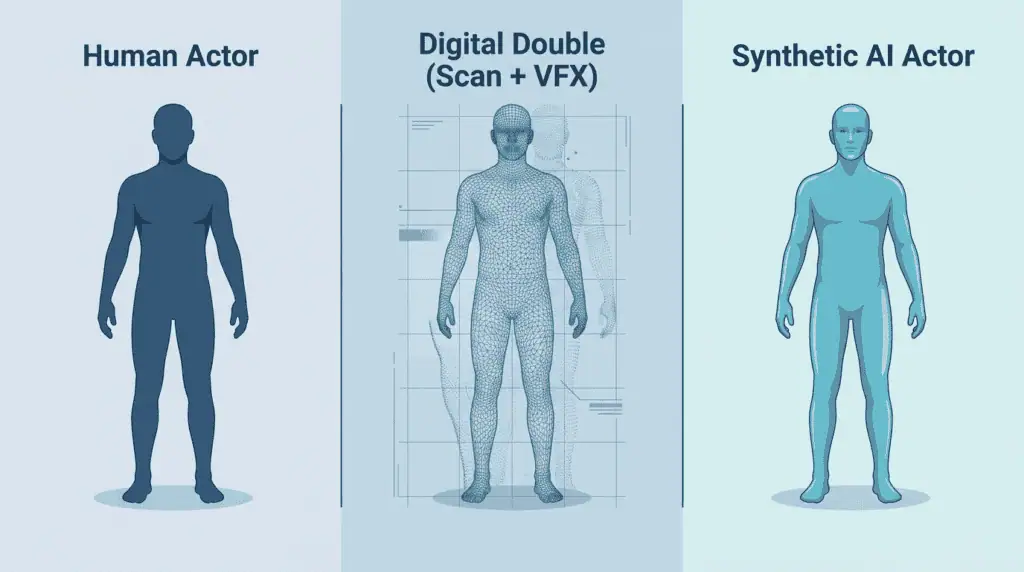
“AI actors” is not one thing. It ranges from a real actor’s AI-assisted digital double to a wholly invented synthetic personality like Tilly Norwood.
How many AI actors exist
No official count. Honest answer: very few fully synthetic “AI actors” exist as recognizable figures, with Tilly Norwood being by far the most prominent as of 2026. Most “AI in acting” today is AI-assisted digital doubles of real performers, which appear in many major productions. Expect the number of synthetic performers to grow, especially in advertising and social media, but genuine AI “stars” with real followings remain rare and controversial rather than common.
Voice actors are the most exposed
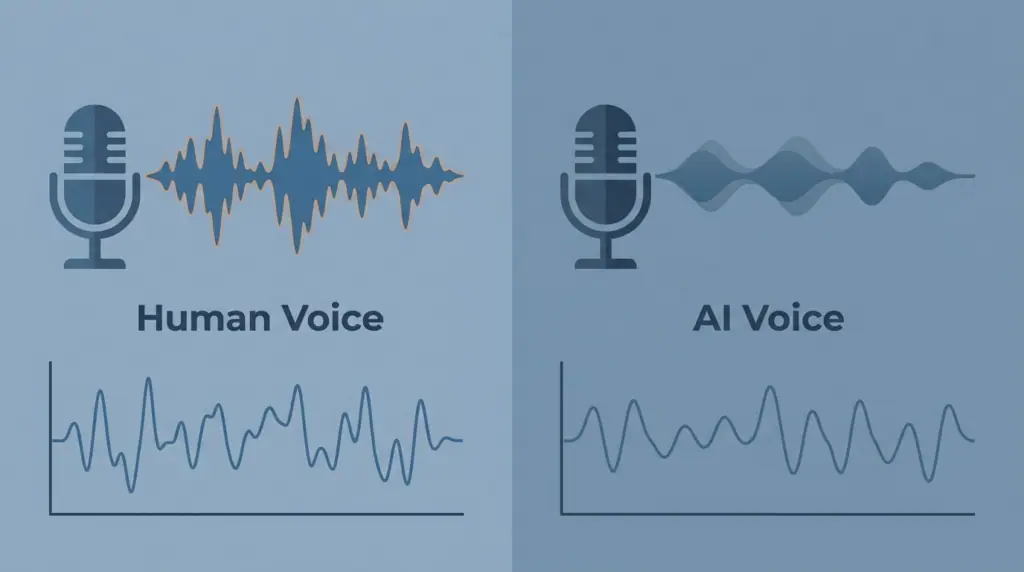
Voice acting is the most exposed corner of the profession. AI text-to-speech and voice cloning have advanced fast. A synthetic voice can now read scripts, narrate, and mimic a specific performer’s tone. For low-budget narration, dubbing, e-learning, and some game dialogue, AI voices are already being used in place of human talent.
That is exactly why voice and video-game performers have been at the front of the AI fight. Voice actors pushed hard for protections around consent, compensation, and the right to control AI replicas of their voices, and AI-voice provisions were central to recent SAG-AFTRA negotiations and the video-game performers’ dispute. The takeaway: voice actors will not vanish, but their work is changing faster than on-screen acting, and the value is shifting toward distinctive character-defining performances that synthetic voices cannot yet match.
What still protects human actors
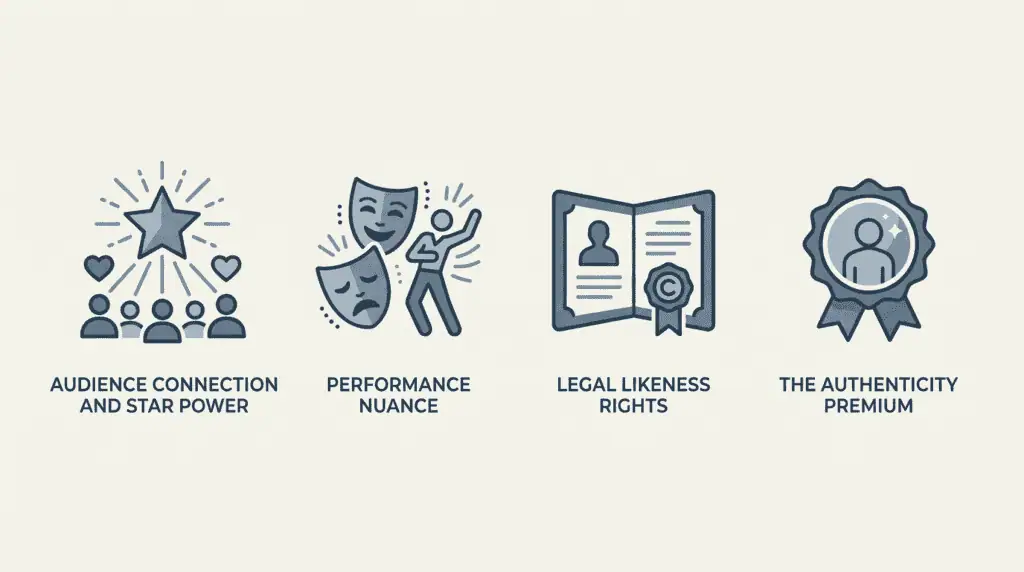
Technically, can AI replace actors? For some tasks, yes, already. For what makes a great actor a star, not really. Four things protect human performers:
- Audience connection and star power. People go to see specific humans. Charisma, history, persona. A synthetic character has no real life, no genuine fame, and audiences often report discomfort with performers they know are fake.
- Performance nuance. Real acting involves split-second, embodied choices, micro-expressions, chemistry with scene partners, improvisation. AI imitates it. AI does not originate it.
- Legal and ethical rights. Using a real person’s likeness or voice requires consent and payment. That legal wall protects actors and is being reinforced by unions.
- The authenticity premium. As AI content floods the market, genuine human performance may become more valuable, not less, precisely because it is real.
AI can replace some acting work. Replacing the human at the center of a beloved performance is a much taller order.
When AI might replace actors, by realistic timeline
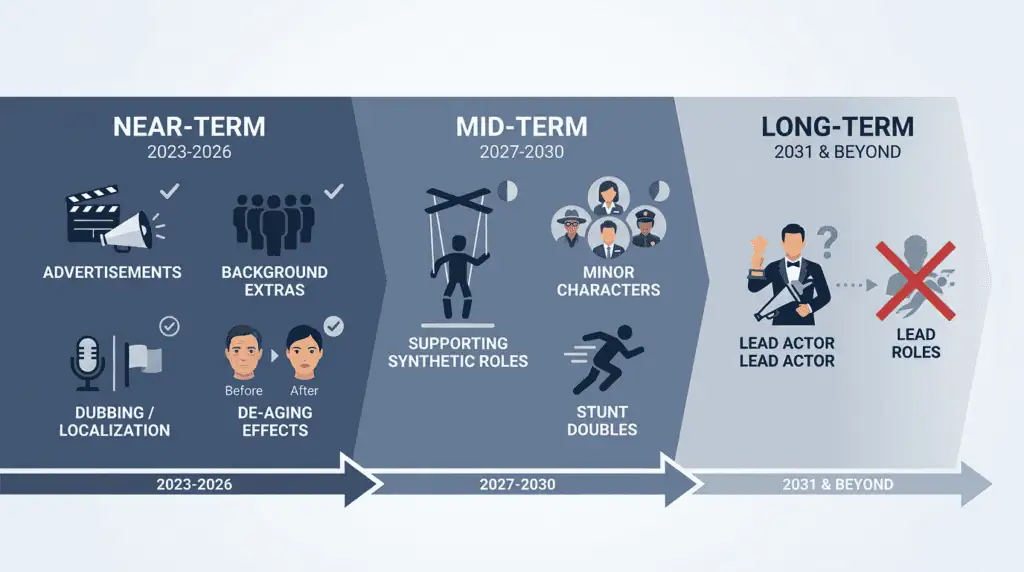
| Timeframe | What happens |
|---|---|
| Now to 2 years | AI widely used for background roles, ads, dubbing, de-aging, digital doubles. Synthetic performers appear in commercials and social content. |
| Mid-term (2-5 years) | More synthetic characters in supporting and niche roles. AI voices common in games, narration, dubbing. Ongoing legal battles over consent. |
| Long-term (5+ years) | AI may convincingly generate lead-style performances technically. Audience acceptance, star economics, and actors’ legal rights make full replacement of human stars unlikely for the foreseeable future. |
“The day AI replaces all actors” is not a date on the near horizon. It is a gradual shift the industry is negotiating in real time.
What this means for actors, and how to adapt
The practical reality for performers: AI is a tool and a threat at once. Adapting means:
- Understand the tech. Know what digital-double, voice-cloning, and generative-image tools can and cannot do to a performance.
- Negotiate consent and compensation for any AI use of your likeness or voice.
- Lean into live performance and distinctive human qualities AI cannot copy: theatre, live events, unscripted work.
- Support union protections. SAG-AFTRA’s central demand, that performers’ images and voices not be used without permission or pay, is the line that will shape how, and whether, AI reshapes the profession fairly.
The core issue is consent and pay. SAG-AFTRA’s fight is about using performers’ likenesses and voices without permission or compensation. That is the actual battleground for the industry, not “will robots take over Hollywood.”
For the broader picture on which jobs hold up and which do not, what jobs are safe from AI covers the data. For the parallel debate in software work, will AI replace software engineers covers the same argument in a different profession. For the underlying image and voice mechanics driving synthetic performers, how AI creates images and videos explains the diffusion loop.
The parts of acting that are routine, faceless, or easily synthesised are most at risk. The parts built on genuine human presence, star power, and consent are the most protected. For actors, the smart move is not panic. It is negotiation: understand the technology, insist on consent and fair pay for any AI use, and double down on the irreplaceably human side of performance.
Related Posts
78% of companies say they use AI. Only 21% redesigned a workflow. Here are the sourced AI adoption statistics and the ho...
A free, cited AI glossary covering 264 artificial intelligence, machine learning, and generative AI terms - plain-Englis...
I pulled 239 threads across 7 subreddits. Marketers use AI daily and hate the products. Here is what the highest-voted t...
The Chrome and Firefox extension I built to save, tag, version, and export AI prompts locally. Free. No account. No clou...
I ran a 26-feed pipeline for 34 days and logged 2,234 AI stories. Here are the sources worth your time by output, and 3 ...